Join a Crew
Make the winetogether.
- Minimum
- Five vines
- Term
- One vintage
- The calls
- Majority vote
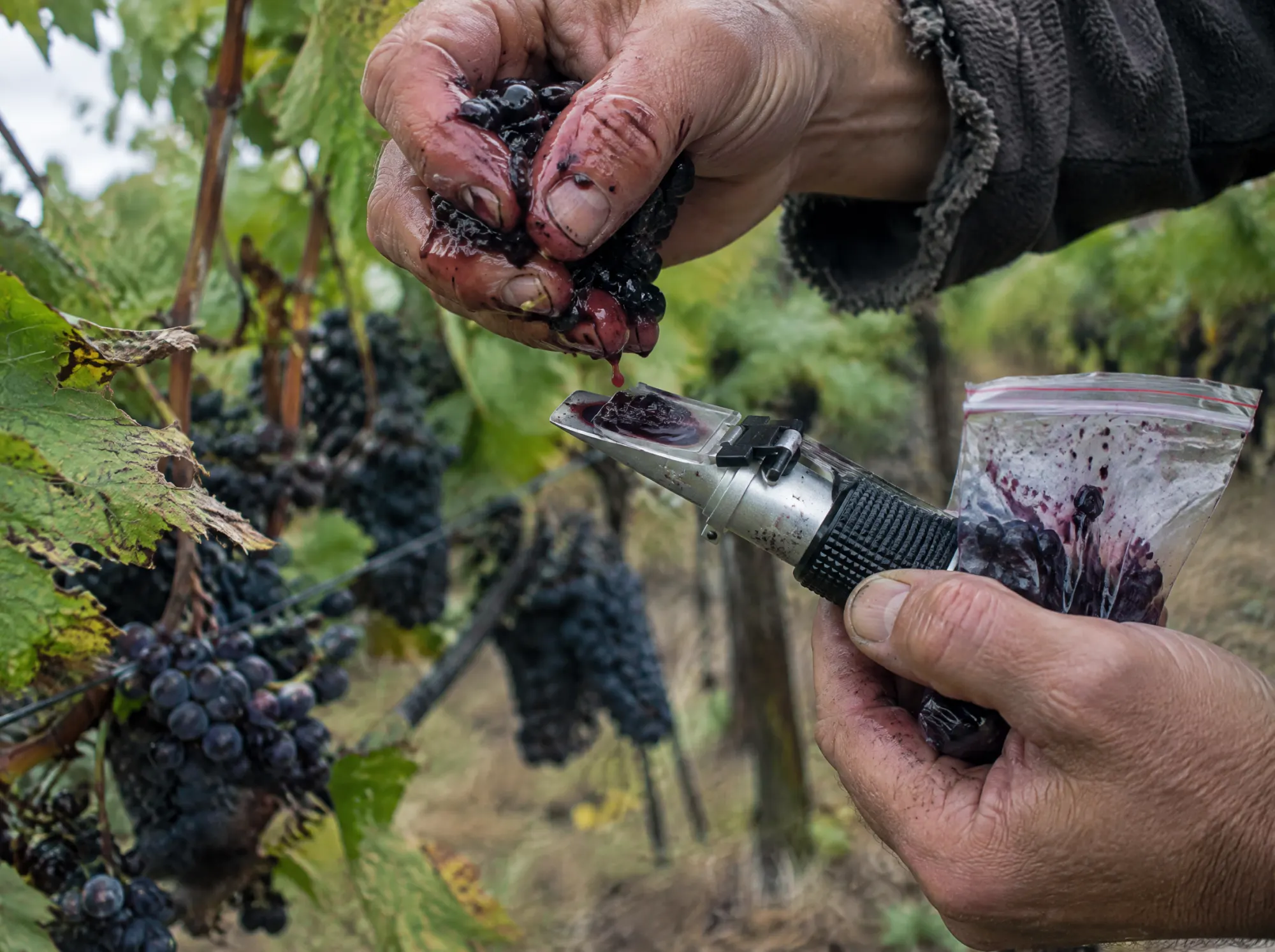
Your call, in September
When to pick
Three dates, all good · the Crew votes
01 — What you lease
The unit is the vine.
Not a bottle, not a subscription. You lease vines at a real vineyard, and the wine they make is split with you by vine count. Drag the slider to see what a few vines become.
Five vines minimum
Enough for a share of a real lot. Every listing shows its own price and yield per vine.
One lot, one wine
Your vines are a share of a single wine made in one vessel. The winemaker designs the style; the calls inside it are yours.
Bottles follow vines
At bottling the wine is allocated pro-rata. Lease more vines, get more of it — up to the whole barrel.
Your share
- Vines
- 5
- Bottles, approx.
- 7
- Share of the lot
- 2.2%
- Crew price, one vintage
- $925
This is a
Crew
Your vines share one lot with a small Crew. The winemaker lays out the options at each call; you vote together. One vintage.
Live listing: Oakville Cabernet Sauvignon, Oakville — $185/vine, ~1.3 bottles/vine, 225L French oak barrique, 60% new. Drawn at one 225 L barrel (~300 bottles) for scale. Block Commissions are quoted per year by the winery, three-year minimum.
See this listing02 — What happens next
One vintage, from your phone.
A vintage runs twelve to eighteen months. The work happens in the vineyard and the cellar; the decisions come to you. Here is the year, and every place you come in.
01Before the season
Choose a lot.
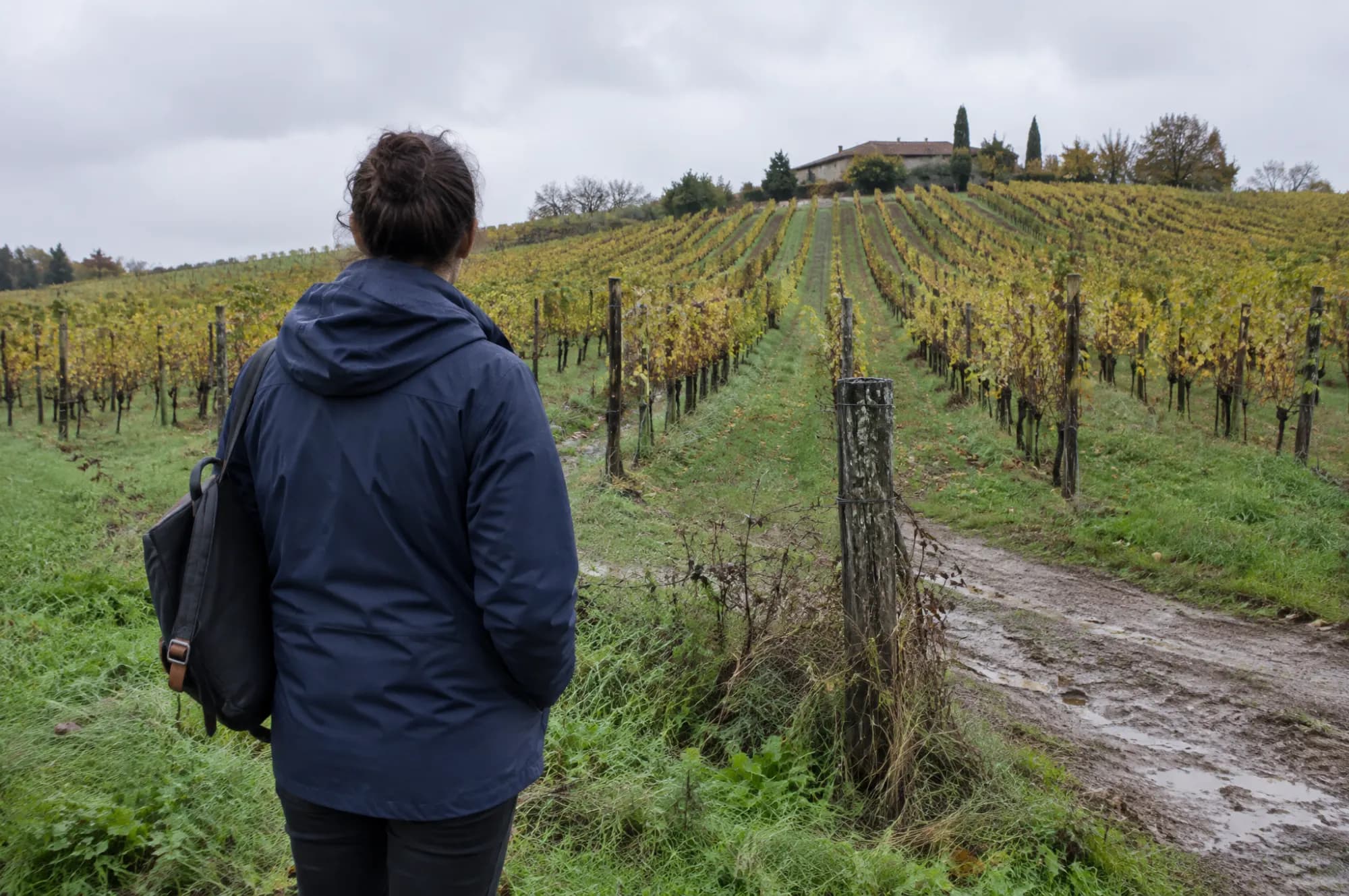
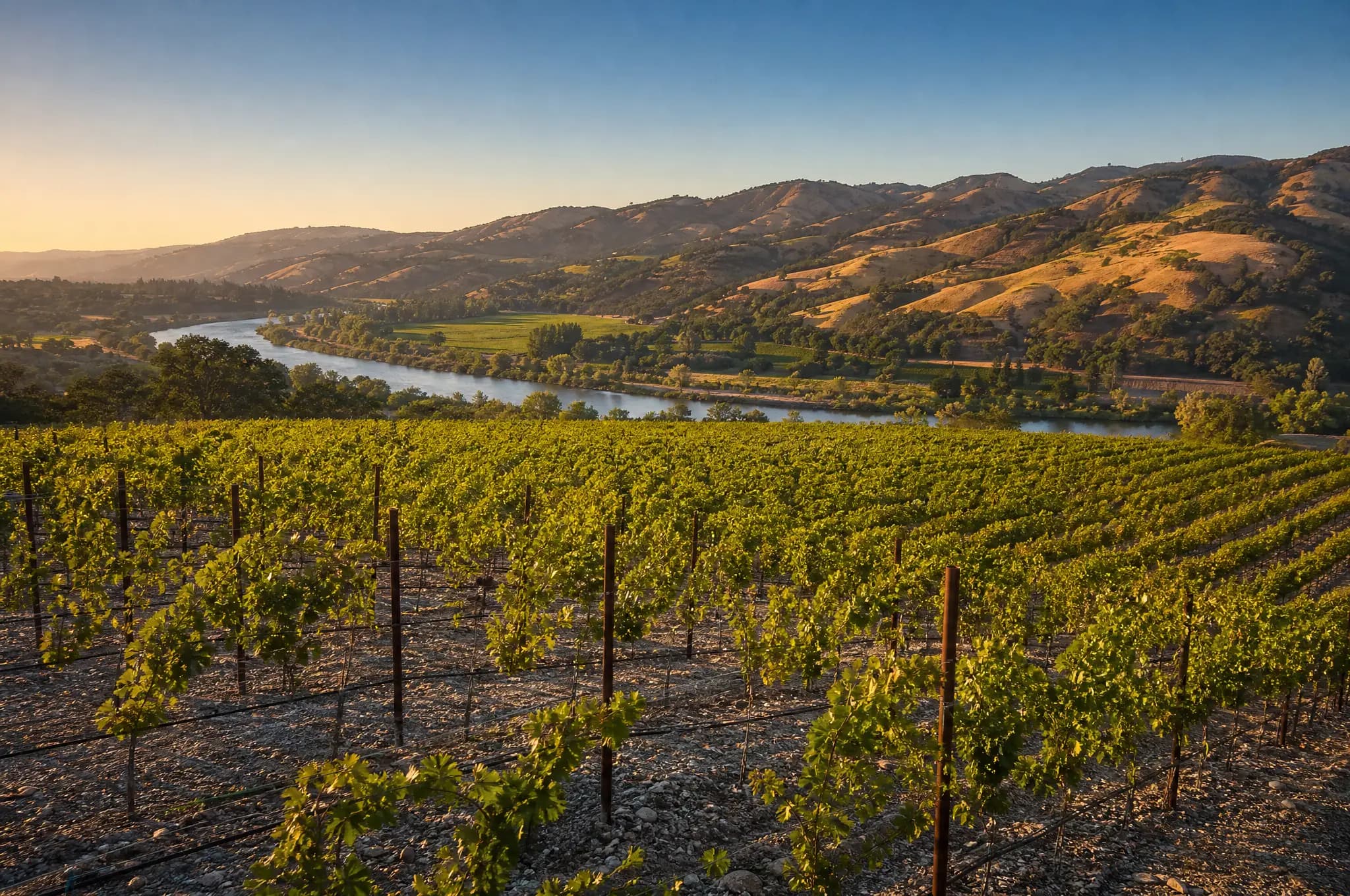
Pick the place and the wine you want to make — an Alexander Valley Cabernet, a Rioja Reserva, a Marlborough Sauvignon Blanc. The listing shows everything about the vineyard except its name. Lease five vines, a dozen, or the whole barrel.
Your call: where, what, how many vines
02January – June
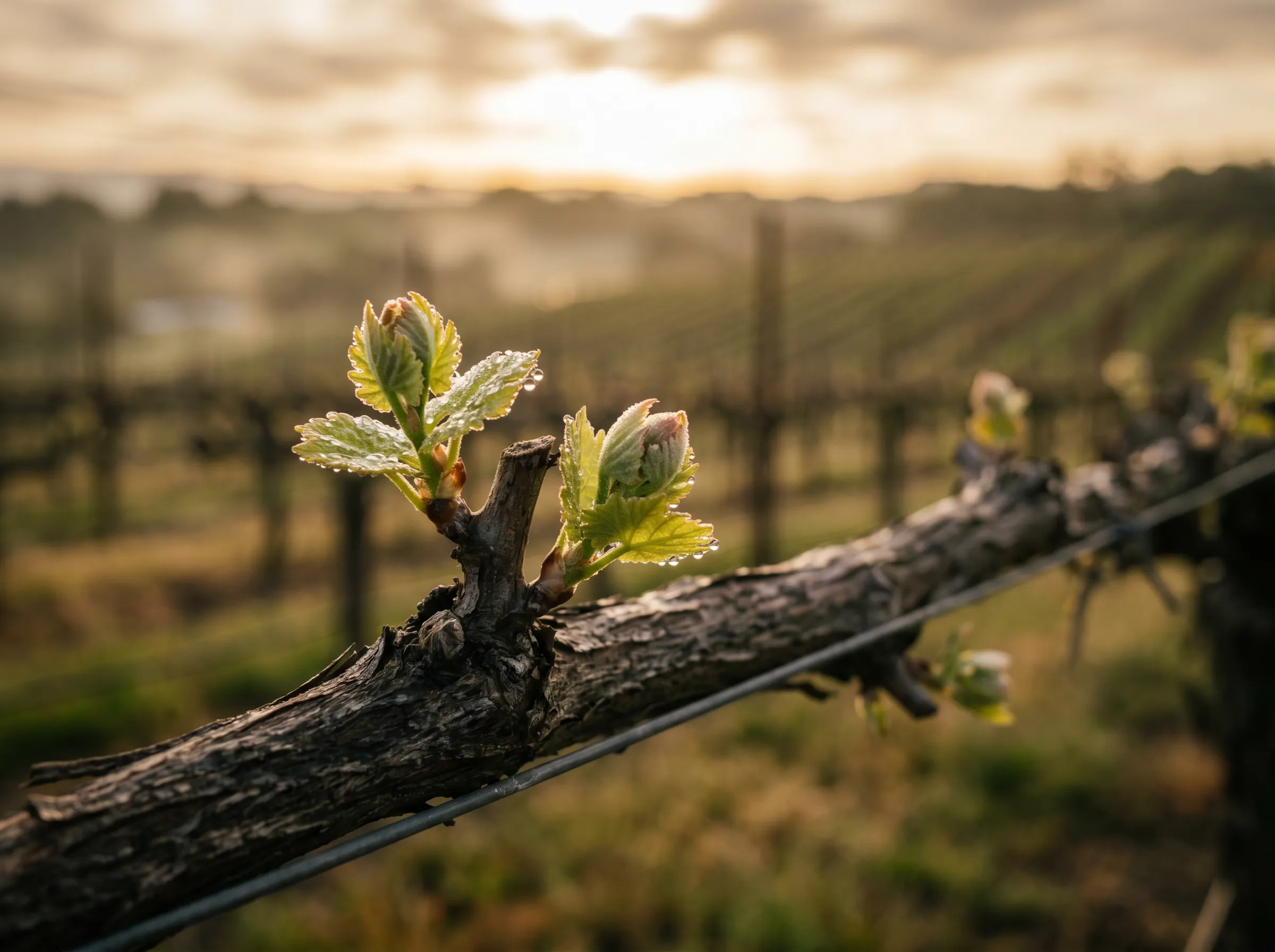
Watch the vines wake up.
Pruning, budbreak, flowering, fruit set. The vineyard crew does the work; you get the live data — soil moisture, temperature, growing degree days — plus notes and photos from the winemaker in the rows.
03July – August
Taste the fruit before it's wine.
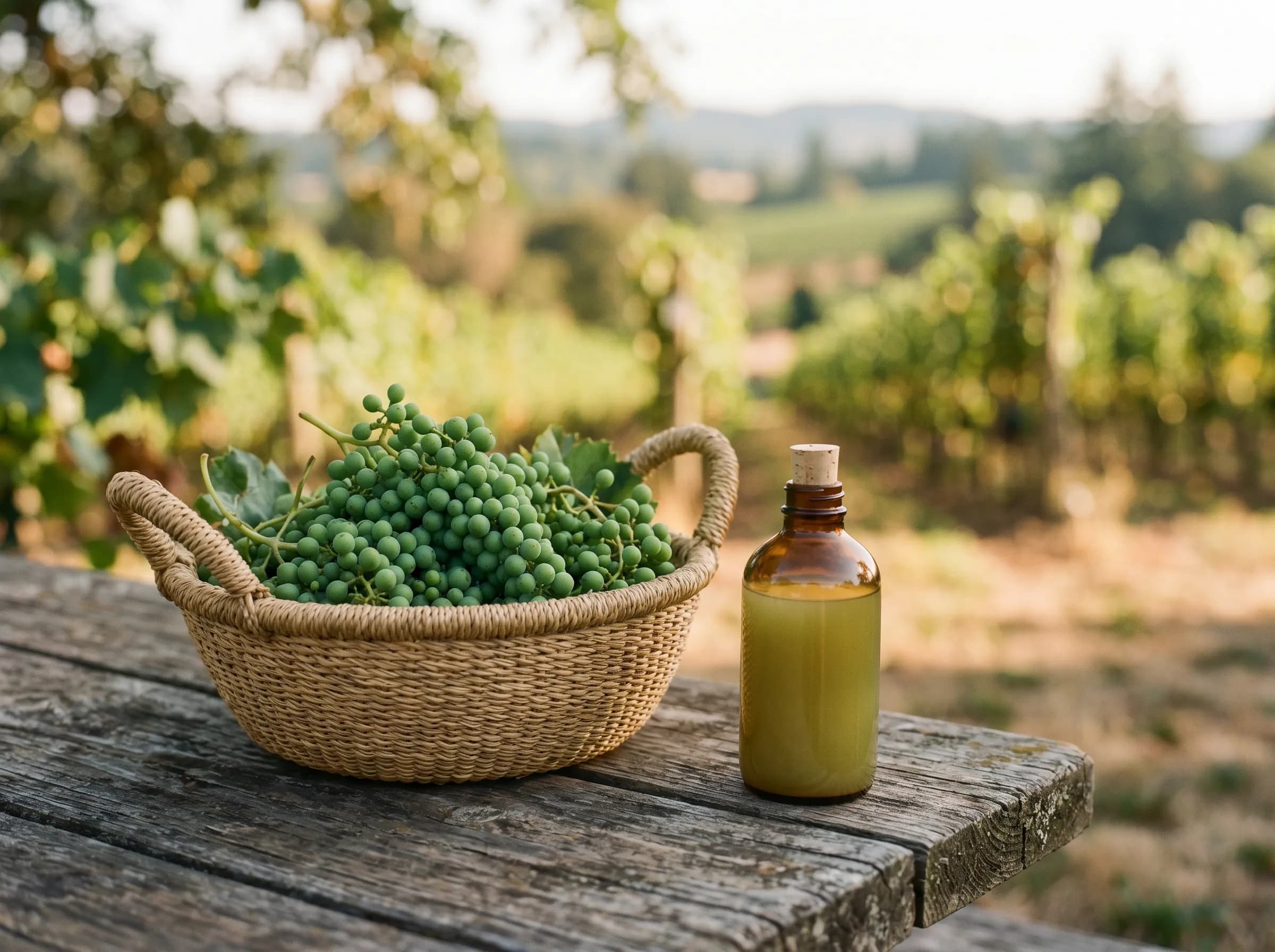
At veraison the first sample kit ships: verijuice pressed from your own lot. Three more follow — after fermentation, from barrel, and the finished wine — so you taste every stage of what you're making.
04September
Call the pick date.
The winemaker reads sugar, acid and flavor in the rows, then lays out three dates. Every one makes good wine; each makes a different wine. You vote. Majority rules, and a missed vote goes with the winemaker's recommendation.
Your call: when to pick
05October – November
Choose the oak.
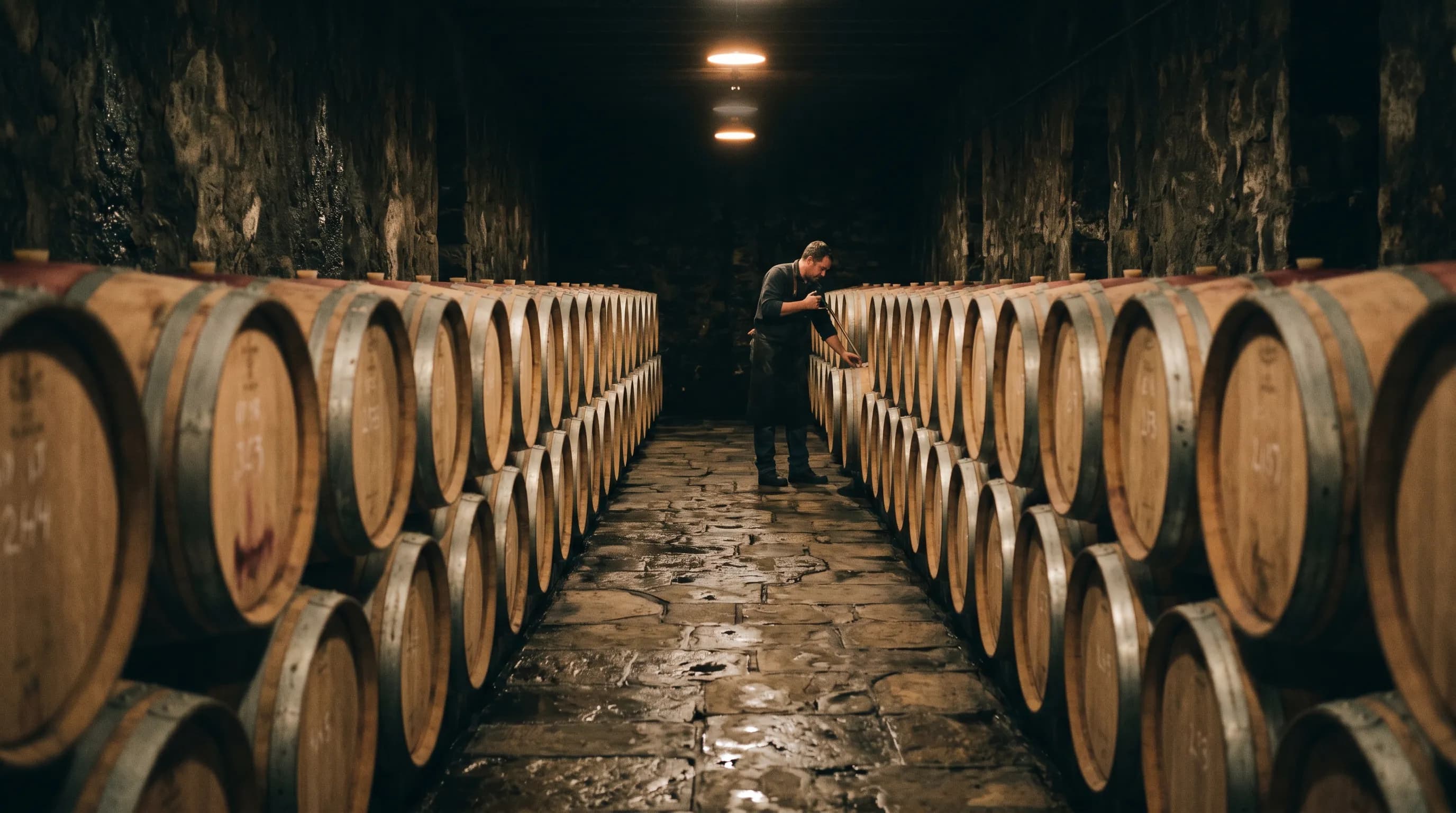
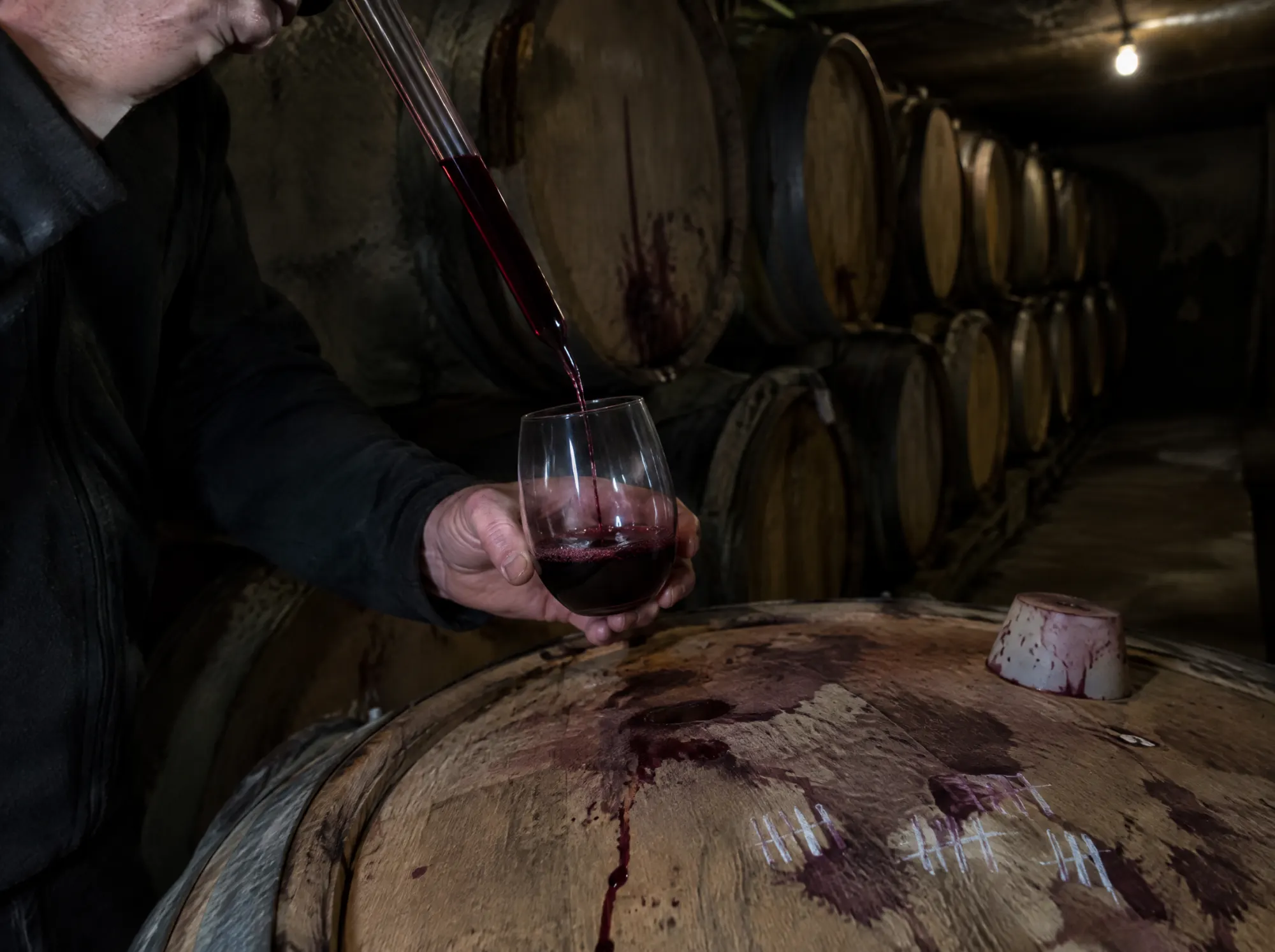
After fermentation the wine goes down to barrel. How much new oak, and for how long, shapes everything that follows. The winemaker frames the options and the reasoning; you decide.
Your call: the oak program
06The following spring
Set the blend.
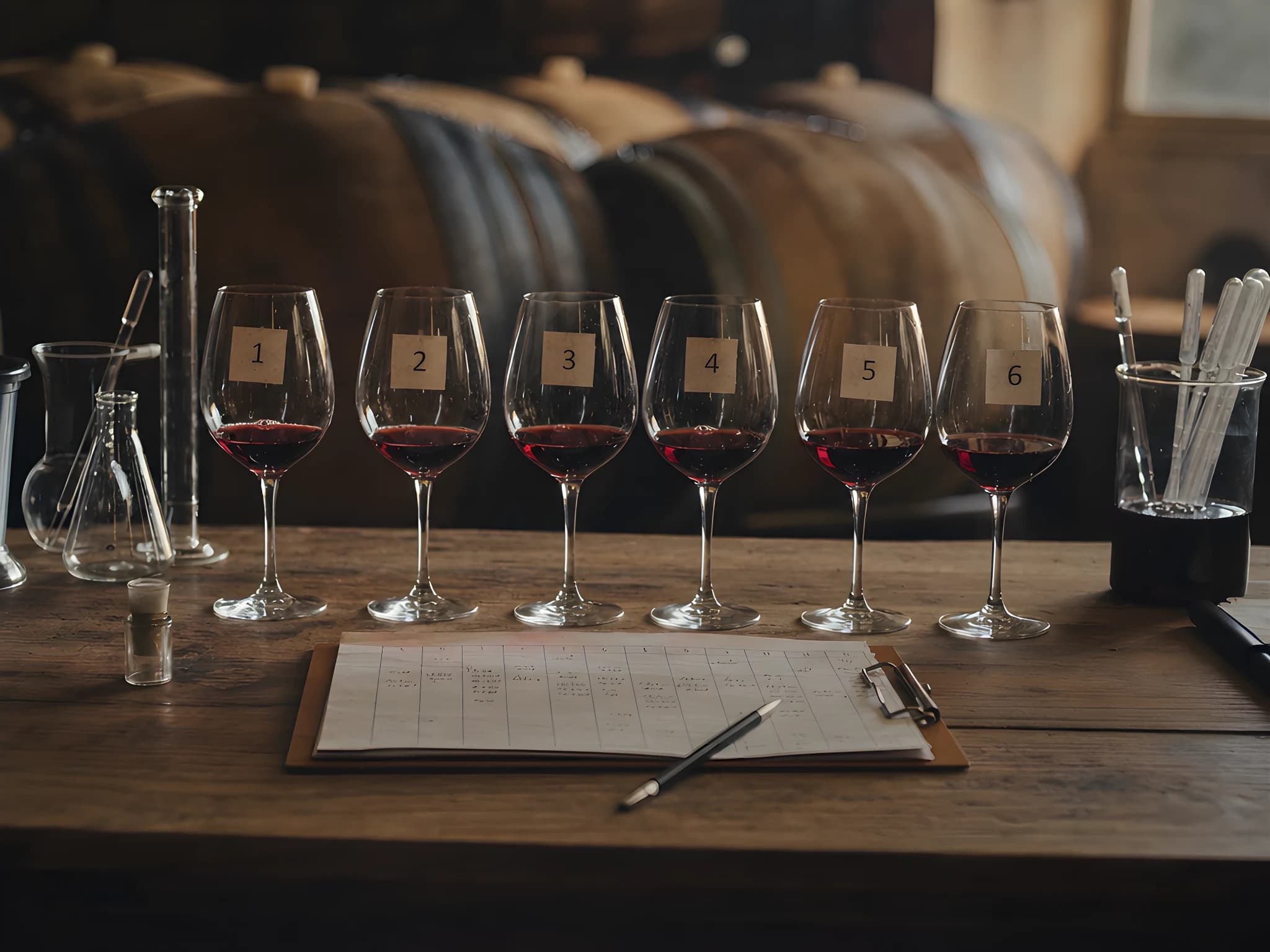
The winemaker sets a range that will make great wine at any point — then the blend trial decides where it lands. This is the moment the wine becomes yours.
Your call: the final blend
07Bottling
The wine comes home.
Bottled, labeled and allocated by vine count. Your cases ship to your door — or a second home, or as gifts — with every decision you made on the record.

Example screens
03 — Who does what
We do the work. You make the calls.
We handle
The farming, the cellar, the paperwork.
- Hiring and managing the vineyard team
- Farming — pruning, canopy, pests, harvest
- Permits, licensing and compliance
- The cellar — ferment, barrel, bottling
- Insurance on the vines and the wine
- Shipping the wine to you
You decide
The wine.
- Which vineyard, and which wine
- When to pick
- Fermentation choices
- The oak program
- The final blend
- Bottling date and format
- Your label, on a Block Commission
- Where every bottle goes
The winemaker frames every decision with options that will all make good wine, and explains the trade-offs. You never face an open-ended “what should we do?”
And you see all of it. Live vineyard data, chemistry at every stage, samples in the mail, the big days on livestream.
Sample feed
04 — Enrolling now
Pick a vineyard. Pick a wine.
No — and we'd rather be plain about it. The winery owns and farms the land. You lease the vines, and the wine they make is yours. A Crew covers one vintage; a Block Commission runs three years or more.
No. At every call the winemaker lays out the options and explains what each one does to the wine. Most members learn the craft one decision at a time — that's a large part of the point.
Every option on a ballot is one the winemaker has already confirmed will make good wine. You choose between good paths, never an open-ended “what should we do?”
Voting windows are short, so watch for the winemaker's call. If you don't vote, your vines go with the winemaker's recommendation.
Each winery sets its own price per vine — from $36 to $240 across today's listings. Five vines is the minimum for a Crew. Shipping and a $1-a-bottle completion fee come at release. Block Commissions run from about $2,500 a year with a three-year minimum, and a refundable $500 deposit holds a block.
It's bottled at the winery and shipped to you within the US, to most states. Outside the US you can store it, pick it up at the estate, or send it to a US address. You must be 21 or older, and an adult 21 or over signs for every delivery.